
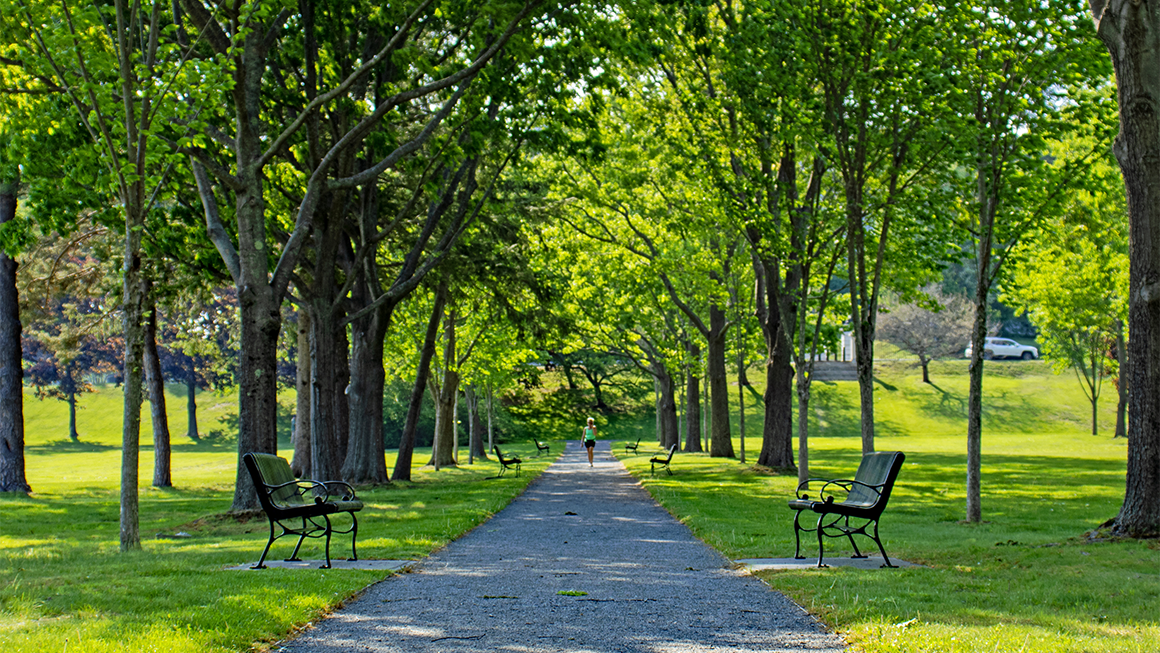
Well-designed communities feature quality parks, trails, libraries, plazas, and other rich civic assets. The design of these public spaces is intended to be accessible and oriented toward bringing people together in ways that foster a strong sense of place and create opportunities for residents to prosper economically and socially.
But attractive public spaces, vibrant streetscapes, and thoughtfully designed building facades alone are not enough to create places where people regularly connect, participate in community life, and feel a sense of belonging. Some of the US’s largest, well-resourced, and highly populated cities are the loneliest.
Building social connection and belonging is more than a design solution. It also requires intentional resident engagement, connections across socioeconomic status, and human-centered development. Yet it can be challenging to effectively and sustainably foster community connections through intentional urban design over the long term.
Tulsa’s Gathering Place, Toronto’s Biidaasige Park, and Chicago’s Obama Presidential Center are all examples of civic assets designed to be integrated in the surrounding community and to offer a platform for belonging and connection. And while the initial responses to these projects have been largely positive, their long-term impacts and adoption by the community are still unknown. How civic assets function in communities changes over time, and it will be essential to examine such changes in growing neighborhoods like Toronto’s Port Lands District, where Biidaasige Park is an anchor attraction that the rest of the community will develop around.
To ensure civic assets evolve alongside their communities and residents, they need ongoing investment, programming, and maintenance that help people feel connected to one another and to place over the long term. Municipal governments can earmark capital for constructing premium civic assets, but their design alone will not sustainably attract people and expand opportunities for well-being.
Local leaders also need resources and tools to help bring public spaces to life through programming, events, community gathering, cultural activities, and other efforts that encourage people to use and connect in these places. To do this effectively, they should partner with recognized, trusted community members that can reflect local priorities and advocate for thoughtful spaces. These trusted partners can help codesign and plan effective civic assets, amplify a place’s stories and histories so they don’t get lost in the redevelopment process, and sustain spaces through their stewardship.
Local leaders face obstacles to maintaining public spaces over time
Community engagement and inclusion are even more crucial when resources are scarce. City agencies, especially smaller ones, have limited time to commit to activating spaces, even if evidence shows it supports social connection, health and well-being, upward mobility, and positive economic outcomes.
Municipal governments (with support from other public agencies, philanthropies, and private entities) may be able to raise funds to develop premium public gathering spaces, but they often lack the capacity and resources to steward these assets inclusively over time. Instead, these leaders are pressured to advance the next capital project to demonstrate value for community members and ensure they are meeting spending benchmarks. Yet the vitality of public space extends beyond economic return on investment. These spaces also affect their surrounding neighborhoods and the residents who live there.
The High Line in New York City, for example, is widely recognized as an innovative model of adaptive reuse and urban greening. But it has also prompted significant discussions about its role in displacement and impact on communities. These tensions highlight the importance of incorporating hyperlocal stories and community perspectives into planning and evaluation efforts. They also resulted in efforts like the High Line Network, which is designed to identify ways that civic infrastructure activation can benefit existing residents while limiting displacement. The challenge is not only securing funding and building organizational capacity but also ensuring that investments create opportunities for everyone, strengthen community ties, and support residents’ long-term ability to live in this community if they choose.
When civic assets are accessible, available, and cared-for over the long term, they create opportunities for community connection
In a recent report on social infrastructure, Gehl and the New York University Institute for Public Knowledge studied spaces in New York that were convenient, encouraged use, and were well loved by the community. The gathering spaces they examined in the Lower East Side were connected to other amenities, felt safe, and, most importantly, encouraged consistent, self-organized activity through public seating, bright lights, and free community events. Similarly, in Toronto’s Biidaasige Park, programming includes guided story walks that invite visitors to explore the park’s rich Indigenous history, ecological restoration efforts, and the urban biodiversity along the city’s waterfront. The park allows people to exercise, gather in one of the city’s newest public spaces, and get a deeper understanding of the landscape and culture.
Business improvement districts, local Main Streets programs, philanthropy, and other organizations focused on community development can play central roles in not only envisioning, designing, and building, but also sustaining these spaces. In some cases, the resources available are substantial: Tulsa’s Gathering Place was funded through $465 million in private funding, led by the George Kaiser Family Foundation. Although the funding primarily reflects capital investments, the park’s success has been built not only on design and construction but also on programming, community engagement, and ongoing activation. Individual funders may have had different priorities, such as addressing sprawl, improving health outcomes, or advancing riverfront planning, but Gathering Place is exemplifies the benefits of public space and the importance of sustained investment beyond the built environment.
These examples show that the vitality of civic assets cannot happen through a one-off design element. They need to be activated, invited into, and sustained by their users and champions. This means that while creating civic assets, local leaders need to be mindful of how the space could be experienced and redefined through its use. The long-term success of thriving communities is rooted in how well they remain adaptable and connected to the surrounding landscape, local culture, and the people they serve.
Urbanist William Whyte famously said that what attracts people most to public spaces “is other people,” capturing the central principle that communities thrive when residents help shape, activate, and steward the places where public life happens. While design can create opportunity for connection, community use and ownership of civic assets are what create places of belonging that people treasure. As communities and their needs evolve over time, inclusive places require ongoing and sustained work to remain vital and welcoming.
