
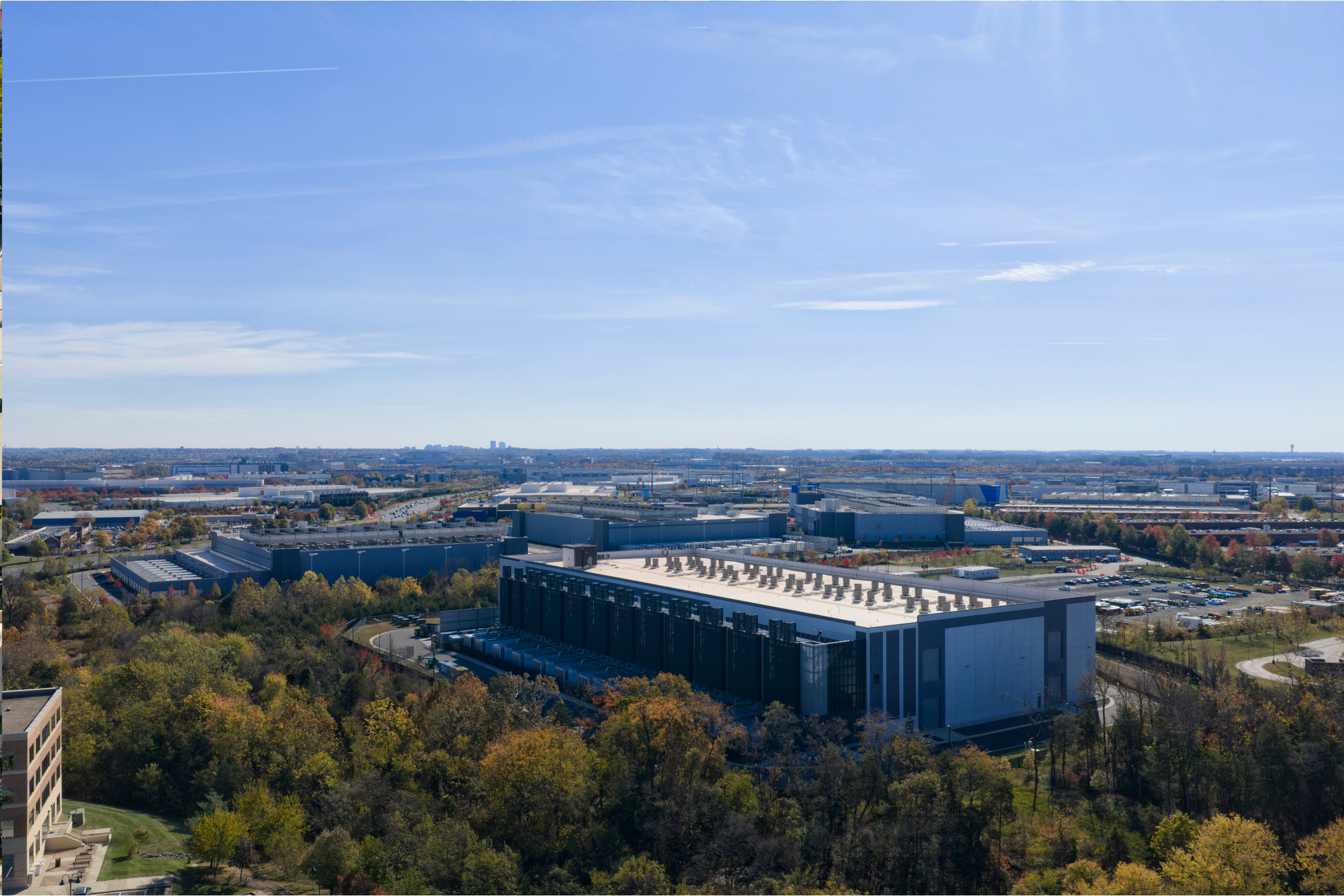
The artificial intelligence (AI) boom is driving a data center construction surge in the US. As of today, there are more than 2,000 data centers in operation and more than 1,500 in various stages of development nationwide.
Many communities have decided they need more time to weigh the potential benefits of data centers against their potential costs, though evidence on many communities’ concerns is still emerging. As of October 2026, 321 data center moratoriums had been enacted, affecting 44 states and more than 200 cities, counties, and other localities. Other communities have limited the size of new facilities or suspended tax breaks, and some have banned data centers outright.
Yet many of these restrictions are temporary or apply only to new projects. So data centers that are already operating or approved will keep running and generating local tax revenue.
As communities nationwide assess their options, we explore a range of policy tools local governments could use to direct data center revenue toward one of their biggest challenges: housing affordability.
How data centers could strain local housing markets
Data centers potentially compete with housing for capital, land, and skilled construction labor. Local examples suggest data center developers could outbid housing developers for buildable sites and increase competition for construction workers, making new homes more expensive and slower to build.
Data center construction can also temporarily strain local rental markets. A single large project could bring in hundreds or even thousands of nonlocal workers. In some places, this influx has driven up rents and pushed rental vacancy rates to zero. The strain will likely be greatest where rental housing is limited, including rural areas, where two-thirds of data centers are planned.
Data centers could also affect housing costs indirectly. Although on average data centers haven’t pushed up household electricity prices, research suggests electricity costs could rise substantially as demand grows, especially in high-growth regions. Higher utility bills could strain households already struggling to afford rent, mortgage payments, or elevated gas prices.
How data centers could support housing affordability
Data centers can also benefit communities economically. They can spur a short-term surge of construction jobs. In Virginia, data center representatives found around 1,500 workers could be on-site during the height of construction.
But these construction jobs typically last only 12 to 18 months. The number of permanent operations jobs data centers bring to communities is much smaller. A recent study found that a county's first large data center adds about 100 to 200 local jobs on average over its first decade, compared with similar counties where planned projects were canceled, with no measurable effect on wages.
Another potentially large benefit of data center development is tax revenue. A 2023 study found that nationally, governments made more than $162 billion (PDF) in revenue associated with data centers—more than double the level in 2017.
In Loudoun County, Virginia, home to the largest concentration of data centers in the US, data centers are projected to generate about $1.3 billion in local tax revenue in fiscal year 2027, roughly 45 percent of all local tax revenue. Smaller localities could see smaller dollar amounts, but often larger shares. In Quincy, Washington, about 30 data centers carry an estimated 57 percent of the town’s property taxes.
How much revenue a community receives, however, depends heavily on the deals local governments make with the data center owners. To attract data centers, many localities offer tax abatements and other incentives that can substantially reduce the revenue collected.
How localities can direct data center revenue toward housing affordability
There are a range of policy tools localities can use to put data center revenue toward housing, but each benefits different households, works on a different timeline, and holds up differently if revenue declines.
To lower housing costs for current residents, local leaders could use data center revenue to:
- Offer targeted tax relief to households that need it most, such as older adults and people with disabilities. Policymakers could also fund rebates for renters, who pay property taxes indirectly through rent, or offer tax incentives to landlords who keep rents affordable.
- Offset energy costs. If data center growth pushes up electricity costs, localities could use the revenue to fund bill assistance for households with low incomes or weatherization programs that cut utility bills over the long term. This could complement state rules, like one in Minnesota, that require data centers to cover more of the grid costs they create.
- Weigh broad property tax cuts. Loudoun County cut its real property tax rate every year for a decade, from $1.145 per $100 of assessed value in 2016 to $0.805 in 2026. Unlike targeted relief, these cuts deliver the largest savings to owners of the most valuable homes, can deepen wealth gaps between homeowners and renters, and are hard to reverse if revenue falls.
It’s also important for policymakers to anticipate how data center revenue could change. A data center’s tax revenue can fall as its equipment depreciates or if its facilities are leased to tax-exempt users, such as government agencies. And if demand shifts, large facilities could sit empty and become hard to lease, sell, or repurpose. This uncertainty means upfront long-term investments could be a more sustainable use of the revenue than immediate relief programs.
To produce new homes and preserve existing affordable housing in the long term, local leaders can use data center revenue to:
- Fund affordable housing directly. Local governments can direct data center revenue to housing trust funds or similar programs through the local budget process or community benefits agreements. Henrico County, Virginia, put $60 million of previously unbudgeted data center revenue into a new affordable housing trust fund. This could help close financing gaps on affordable housing projects, supply the local match that state and federal programs often require, and help first-time buyers afford homes.
- Secure land and lower development costs. Data centers and housing could compete for land that is public or in high-demand markets. Zoning and comprehensive plans can steer data centers toward suitable sites and identify land to preserve for housing, though they don’t eliminate competition over future land use. Where land prices are rising, communities could use data center revenue to acquire land through land banks or community land trusts and preserve it for housing, including for shared equity homes that stay affordable over time. Local leaders could also use data center revenue to pay for the water, sewer, and road extensions that make housing sites buildable, or cover waived permit and hookup fees for affordable projects.
- Plan for the construction workforce. Communities could require or fund workforce housing designed to become permanent affordable homes once construction ends. This could help meet short-term needs and expand affordable housing options in the long term.
To help ensure data center revenue is predictable, some communities have written minimum payments or payments in lieu of taxes into their agreements with data center owners. Worried that a data center leased to tax-exempt users would bring in less than expected, the Town of Culpeper, Virginia, secured a minimum payment of $1.5 million per building per year from the data center owner for 15 years to ensure the town’s multiyear housing commitments were sustainable. Community benefits agreements offer another way leaders can secure long-term commitments from developers and owners.
