

Dignity and belonging. Economic success. Power and autonomy. These are the things all people need to achieve upward mobility. But how do you help people access them?
Boone County, Missouri’s, Upward Mobility initiative has an answer. Its work over the past five years has shown that though helping residents exit poverty and access long-term upward mobility is multifaceted and complex, it’s possible when local leaders are committed to partnership, have a deep understanding of the community’s needs and strengths, and prioritize helping residents feel dignity and belonging.
Below, hear from four leaders of Boone County’s Upward Mobility initiative about how they engage in upward mobility work and what motivates them to keep working toward a future where all residents have opportunities to thrive.
Convening the Community to Advance Upward Mobility
Like in many parts of the country, rents in Boone County have climbed in recent years. From 2019 to 2024 they increased by 24 percent, and residents have to make more than $17.50 an hour (PDF) to afford a one-bedroom apartment—well above the state’s $15 minimum wage.
Housing affordability is one of several challenges that led a group of Boone County leaders working in education, housing, workforce development, and other sectors to join the Upward Mobility Cohort in 2021. Over 18 months, they received training and technical assistance from Urban Institute staff on how to use the Upward Mobility Framework to understand and improve local opportunities for the three things that define upward mobility: dignity and belonging, economic success, and power and autonomy.
Through the cohort, Boone County developed a comprehensive Mobility Action Plan that led to the creation of the Upward Mobility initiative in the Boone County Community Services Department. The initiative coordinates the efforts of four workgroups that are led and facilitated by community members and are dedicated to advancing community-identified goals related to early-grade literacy, fair and inclusive housing, and jobs and workforce development.
Over the past five years, the workgroups have brought together dozens of community organizations and leaders to make major progress toward the goals in the initiative’s Mobility Action Plan:
- In 2023, the initiative commissioned a countywide housing study (PDF) that led to the creation of resources for landlords and tenants that will make it easier for people to access rental housing.
- In 2023, the fair and inclusive housing workgroup helped the City of Columbia change its accessory dwelling unit (ADU) codes to allow more ADUs to be built and increase the community’s available housing stock. Members of the workgroup participated in a tour of existing ADUs so they could help community members understand their uses and benefits.
- This spring, the initiative officially launched its “Raising Readers” campaign to close gaps in early-grade literacy throughout the county.
How—and Why—Boone County Leaders Help Residents Thrive
To shed light on how the Boone County Upward Mobility initiative has achieved these milestones, we asked four of its leaders to share their perspectives on what it takes to move people out of poverty and what drives their commitment to this work.
Responses have been edited for length and clarity.
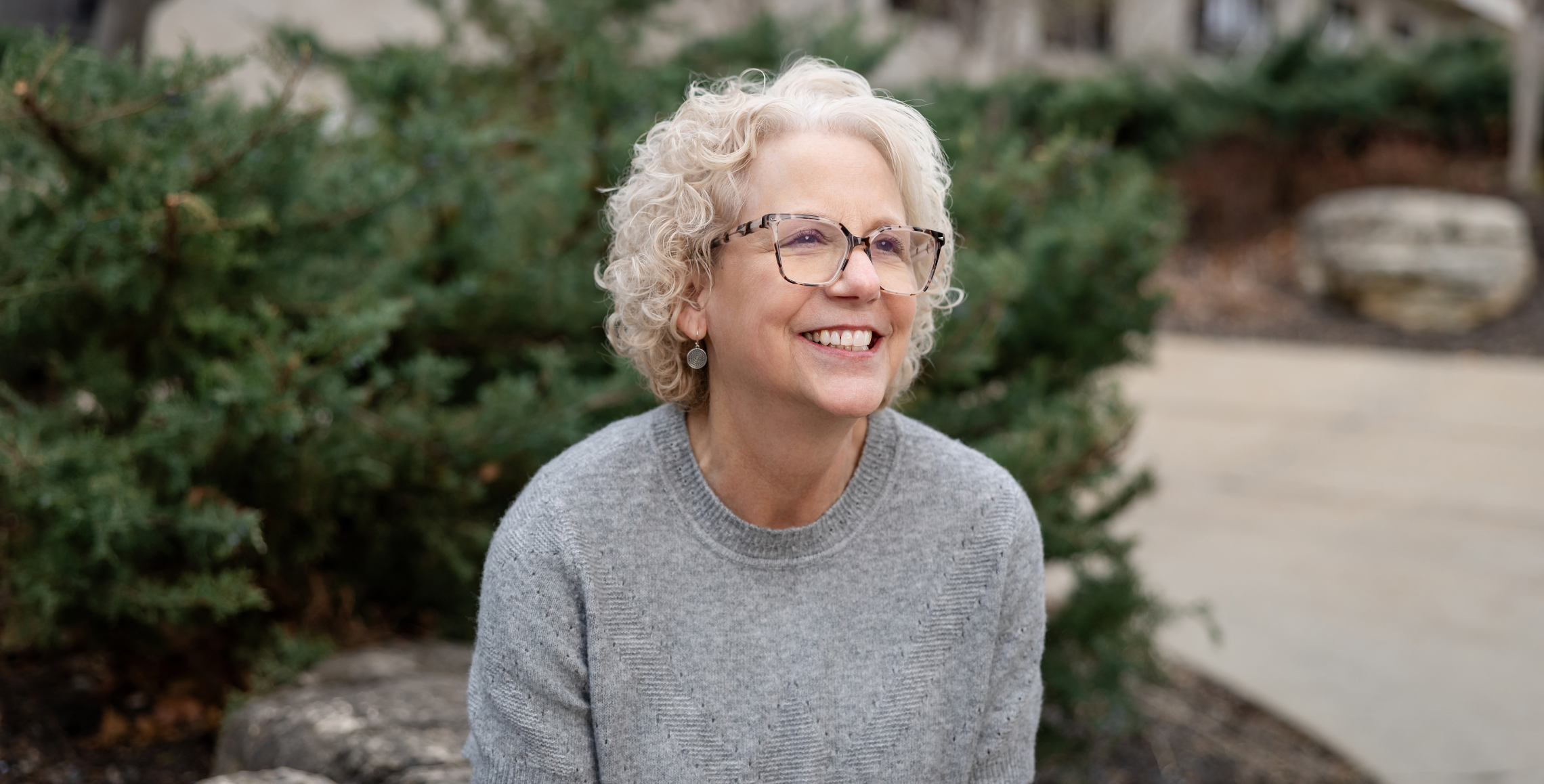
Joanne Nelson
Director, Boone County Community Services Department

“People think they know what poverty is, but they don’t. It may look like a family is doing fine, but they may have 20 cents in their checking account. Speaking from personal experience, I remember those days when I was working in early childhood, and my husband [and I] had two kids, and it was like… ‘We've got $70 in the checking account for the next two weeks. How are we going to do this?’ Poverty could mean that you’re working two jobs, just trying to make ends meet. Poverty could mean that you don’t have enough diapers. Sometimes people think poverty is people don’t want to do better, and that's what drives me crazy.”
“People think they know what poverty is, but they don’t.”
“Sometimes [people] just need a helping hand or showing them where to go to get help. They need a warm handoff to say, ‘Go to [local nonprofit] Love Columbia. They can get you in a program that helps you manage your money. And when you do that, you're going to start building a savings account, so then you can get into an apartment that's affordable for you. At the same time, we're also going to be supportive in helping you find a job that doesn't require you to work two jobs, but it's a better-paying job or builds your skill levels. And at the same time, let's make sure your kids can read.”
“[Upward mobility work is] grinding work and it can be exhausting. You can feel like you’re on a hamster wheel.... [But] most people want the best for our community. That helps.”
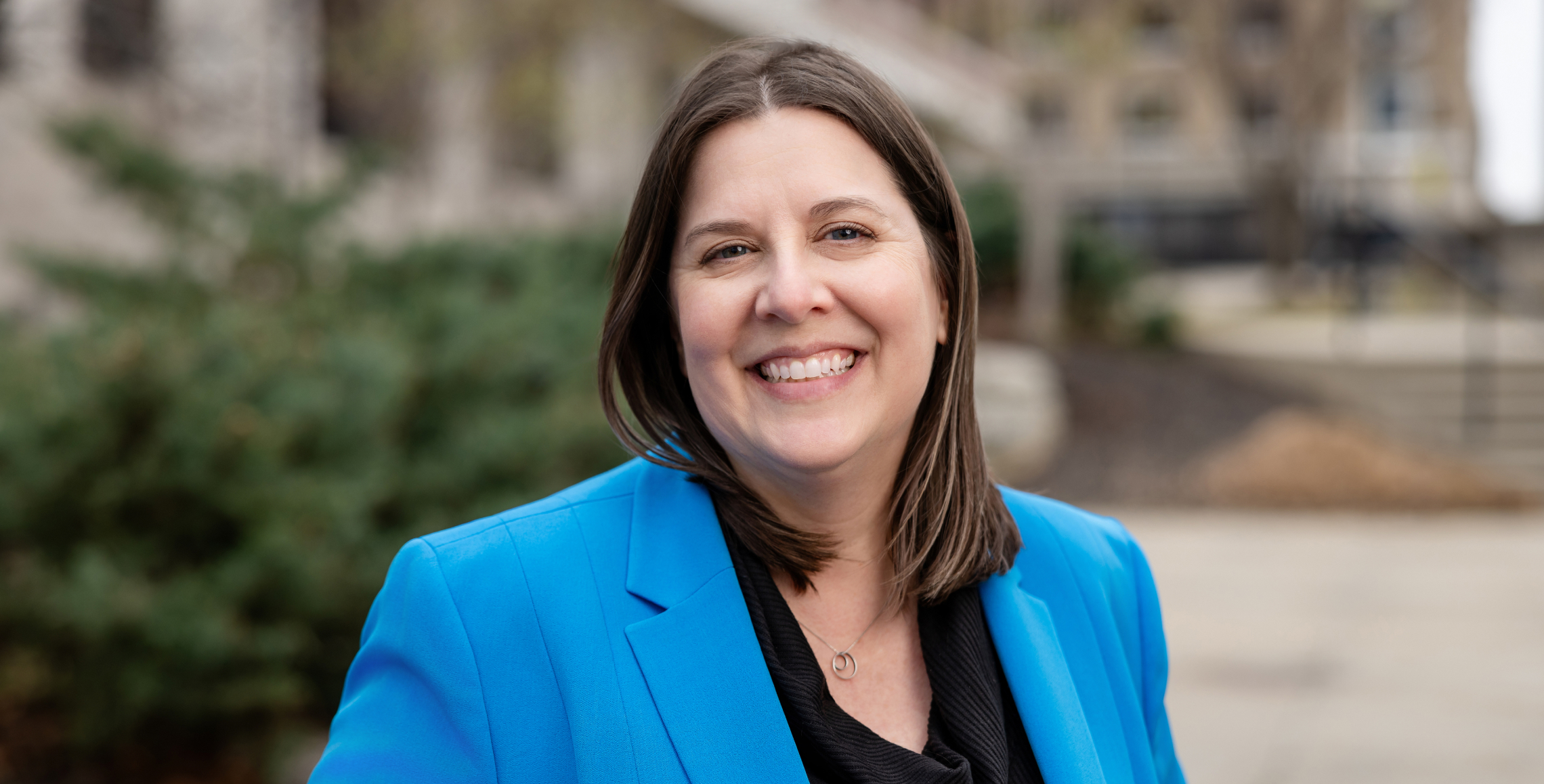
Gina Jenkins
Data and Performance Analyst, Boone County Community Services Department

“Results-Based Accountability…gave us a framework that recognizes that data for the whole community is a great thing to use, but…no one is responsible for every single person in the community. So, it’s going to take all these partners working together in different spaces and in different ways to make change happen. And that doesn’t happen overnight. It takes that continued commitment to showing up.
“It’s going to take all these partners working together in different spaces and in different ways to make change happen.”
“I think that’s one thing [the Upward Mobility initiative] workgroups have done well: people recognizing the small wins, the little conversations of bringing two community partners together during a workgroup meeting that leads to some other innovative project—which we’ve seen a lot with our affordable housing coalition. They just start to have conversations…and it leads to groups working together. They’re building off each other’s ideas for what they would do in the community.
“Just creating that space is helpful, and having small wins…. People continue to see the value in showing up, knowing that [upward mobility is] not something that’s going to be solved or fixed in the short term…. But [they have that] continued commitment to working together.”
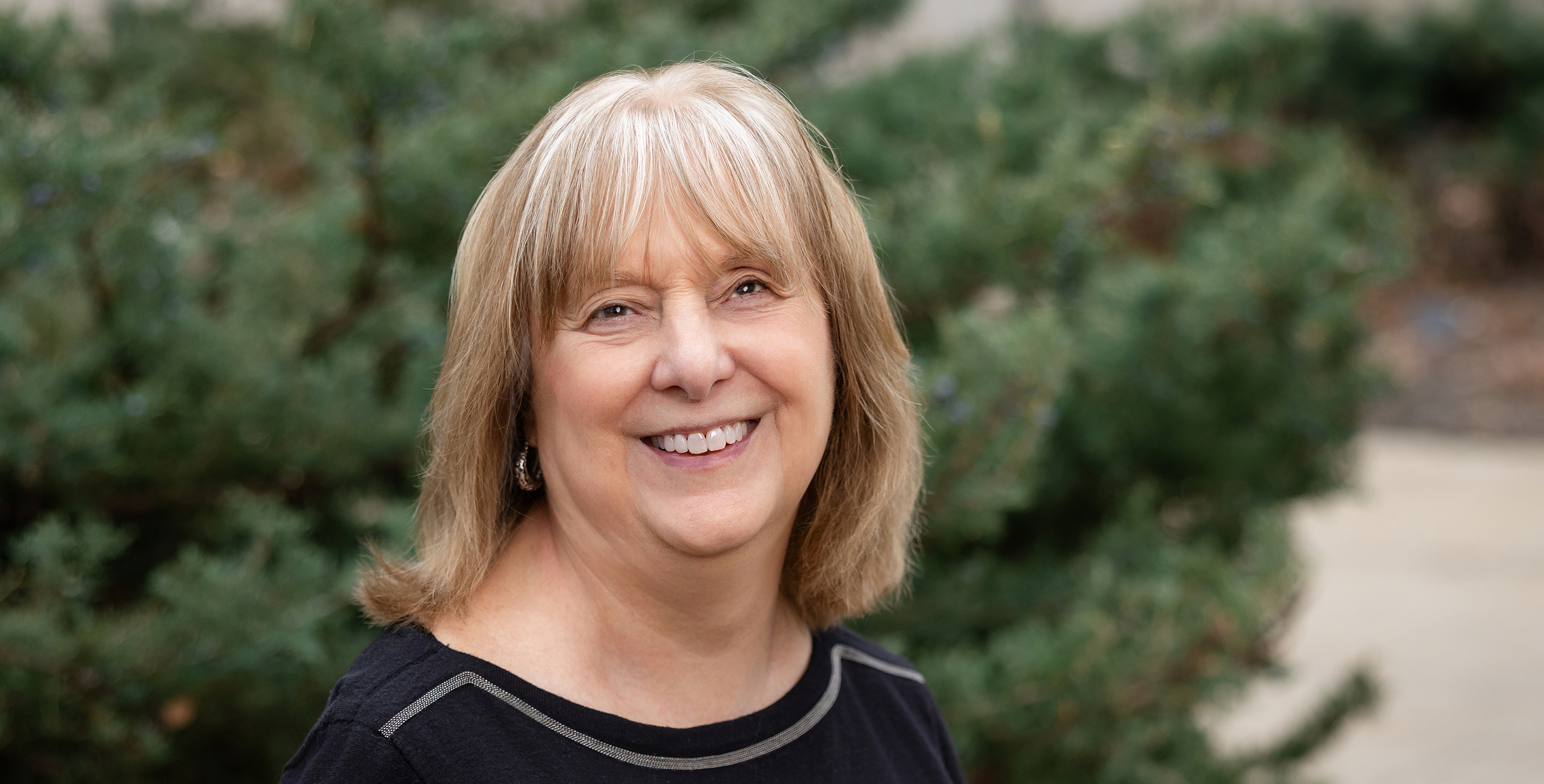
Jane Williams
Cofounder and Executive Director, Love Columbia; Facilitator, Affordable Housing Coalition Workgroup

“We help with finances, housing, and career advancement—and really all levels, from beginning your first budget to finding a way to pay off your debt and raise your credit score. With career, it's finding that survival job, if that's what you need, but what we're really looking at is trying to help you find a job that will give you a successful life and a flourishing career.... We very much believe that a holistic approach is what's needed, and everyone who comes to us needs an individual plan.
“We very much believe that a holistic approach is what's needed.”
“I could never forget. [One woman who came to us] said, ‘I want to learn to swim because I'm afraid to take my children swimming.’ And for four years, I held on to that, thinking, ‘Love Columbia does a lot of things, but I just don't think we could start swimming lessons.’ [Then] someone walked in who is certified to teach adults to swim, and she said, ‘How can I help you?’ So, we had the first class and that woman got to learn how to swim.
“So we're always about just matching with what's in the community. And we try to keep it in our main housing, career, and finance buckets, but sometimes it bleeds out into swimming.”
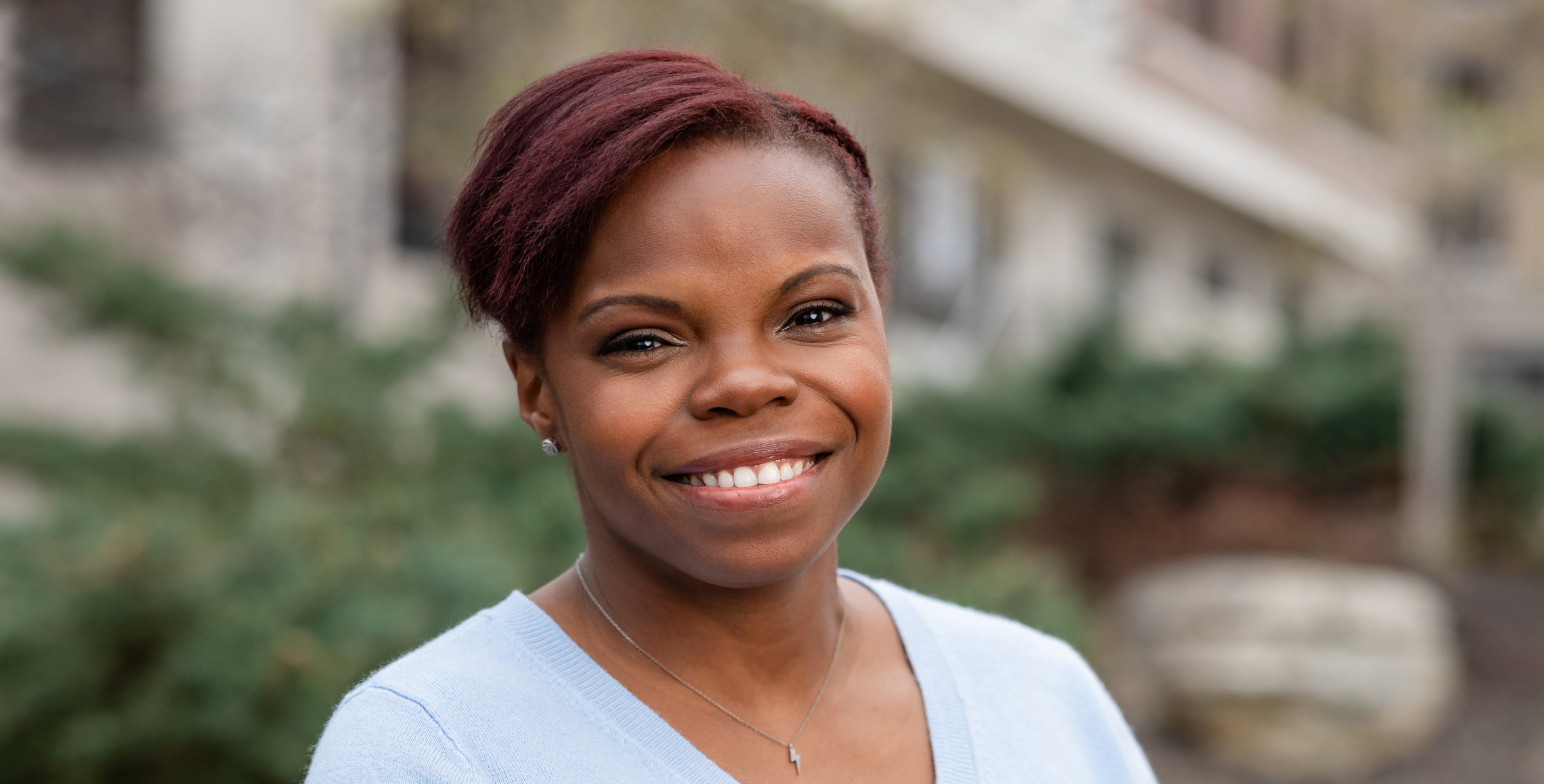
Enola-Riann White
Program Coordinator, Upward Mobility Initiative, Boone County Community Services Department

“There was a new affordable housing complex that just came online in our area. It is on my way to work. I drive by it every single day. I have been watching them build this for the better part of a year. I knew what it was before I started with the Upward Mobility initiative…but being on the inside and seeing and hearing the conversations…and then seeing the faces of celebration when it actually got done. And because I drive by it every single day, [I get to] watch people move in. That’s why I do [upward mobility work]. You get to see that full cycle that is more than you. It’s beyond any single person. And watching those families move in before Christmas was really rewarding.
“There are people out there who need us, to see the best possible versions of themselves.”
“That’s what motivates me to continue to do this work, because there are people out there who need us, to see the best possible versions of themselves. If I can watch a family haul a Christmas tree in and all of their goodies right before the holidays, then absolutely, I will continue to do this work. It makes it that much more meaningful.”
Collaborate with Us
Boone County’s Upward Mobility initiative shows what’s possible when Urban’s training and technical assistance experts come together with dedicated community members. We welcome new opportunities to continue helping local leaders address their communities’ unique challenges and improve outcomes for all residents. Email us at [email protected] to learn more.
Project Credits
This story was funded by the Urban Institute. The views expressed are those of the author and interviewees and should not be attributed to the Urban Institute, its trustees, or its funders. Funders do not determine research findings or the insights and recommendations of our experts.
RESEARCH Martha Fedorowicz
DESIGN Brittney Spinner
PRODUCTION Samantha Cressman
EDITING Zach VeShancey
PHOTOGRAPHY Sarah Jane Shorthose (Sarah Jane Photography)
WRITING Rachel Kenney
